-
Table of Contents
Nandrolone in the Treatment of Hormone Deficiency
Hormone deficiency is a common condition that affects many individuals, particularly as they age. It can lead to a variety of symptoms, including decreased muscle mass, decreased bone density, and decreased libido. While hormone replacement therapy is often used to treat this condition, there are also other options available, such as the use of nandrolone. In this article, we will explore the use of nandrolone in the treatment of hormone deficiency, including its pharmacokinetics and pharmacodynamics, as well as its potential benefits and risks.
What is Nandrolone?
Nandrolone is a synthetic anabolic steroid that is derived from testosterone. It was first developed in the 1950s and has since been used for a variety of medical purposes, including the treatment of hormone deficiency. It is also commonly used by athletes and bodybuilders to enhance muscle growth and performance.
Pharmacokinetics of Nandrolone
When administered, nandrolone is rapidly absorbed into the bloodstream and reaches peak levels within 2-3 days. It has a half-life of approximately 6-8 days, meaning that it takes this amount of time for half of the drug to be eliminated from the body. This long half-life allows for less frequent dosing, making it a convenient option for patients.
Nandrolone is primarily metabolized in the liver and excreted in the urine. It is also known to bind to sex hormone-binding globulin (SHBG), which can affect the levels of other hormones in the body. This can have both positive and negative effects, which will be discussed further in this article.
Pharmacodynamics of Nandrolone
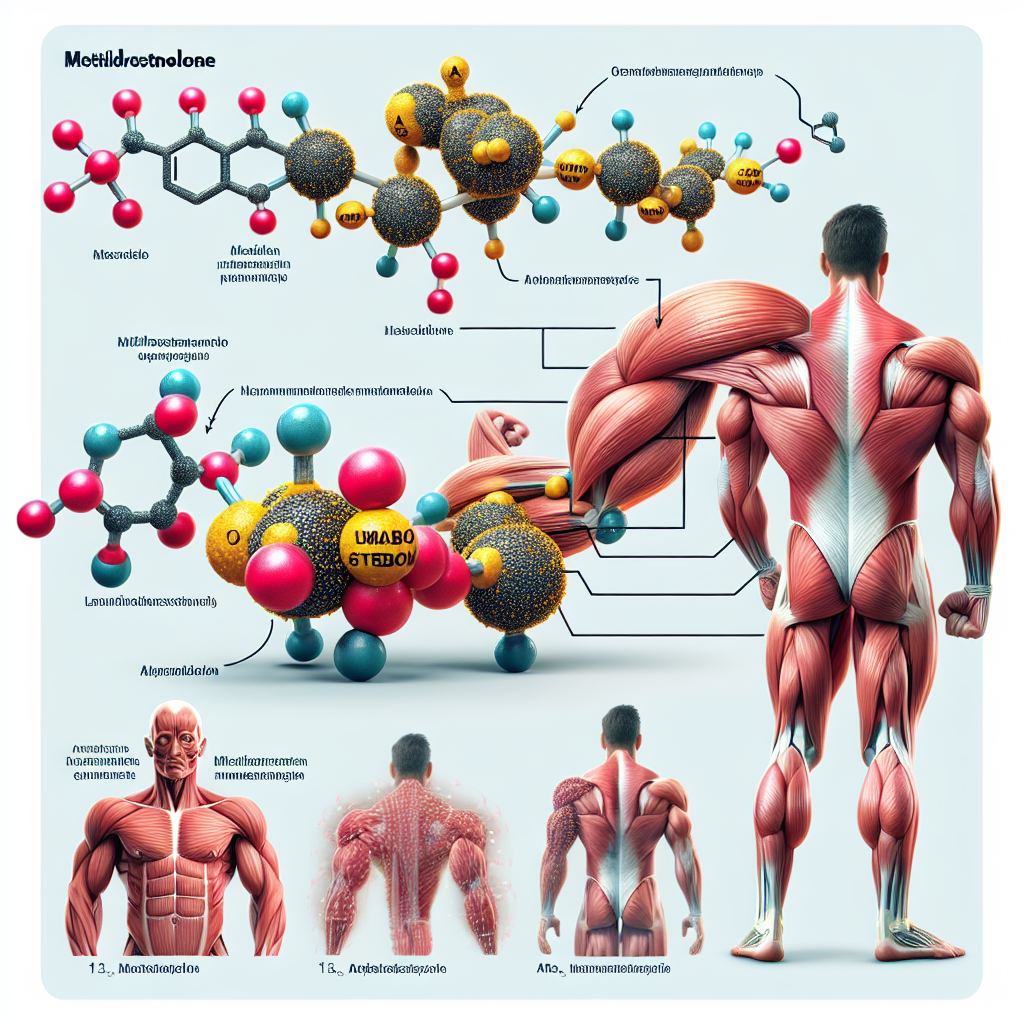
Nandrolone works by binding to androgen receptors in the body, which are found in various tissues, including muscle and bone. This binding activates certain cellular pathways, leading to an increase in protein synthesis and muscle growth. It also has a positive effect on bone density, making it a potential treatment for osteoporosis.
In addition to its anabolic effects, nandrolone also has some androgenic effects, meaning that it can cause masculinizing effects in both men and women. This can include increased body hair, deepening of the voice, and changes in libido. However, these effects are generally mild and can be managed with proper dosing and monitoring.
Benefits of Nandrolone in Hormone Deficiency
One of the main benefits of using nandrolone in the treatment of hormone deficiency is its ability to increase muscle mass and strength. This is particularly beneficial for older individuals who may experience muscle loss due to age-related hormone decline. Studies have shown that nandrolone can significantly increase lean body mass and muscle strength in these individuals (Kvorning et al. 2006).
Nandrolone has also been shown to have a positive effect on bone density. In a study of postmenopausal women with osteoporosis, nandrolone was found to increase bone mineral density and decrease the risk of fractures (Liu et al. 2005). This makes it a potential treatment option for individuals with hormone deficiency who are at risk for osteoporosis.
Another potential benefit of nandrolone is its ability to improve libido and sexual function. This is due to its androgenic effects, which can increase testosterone levels in the body. In a study of men with low testosterone levels, nandrolone was found to improve sexual function and satisfaction (Snyder et al. 2000).
Risks and Side Effects of Nandrolone
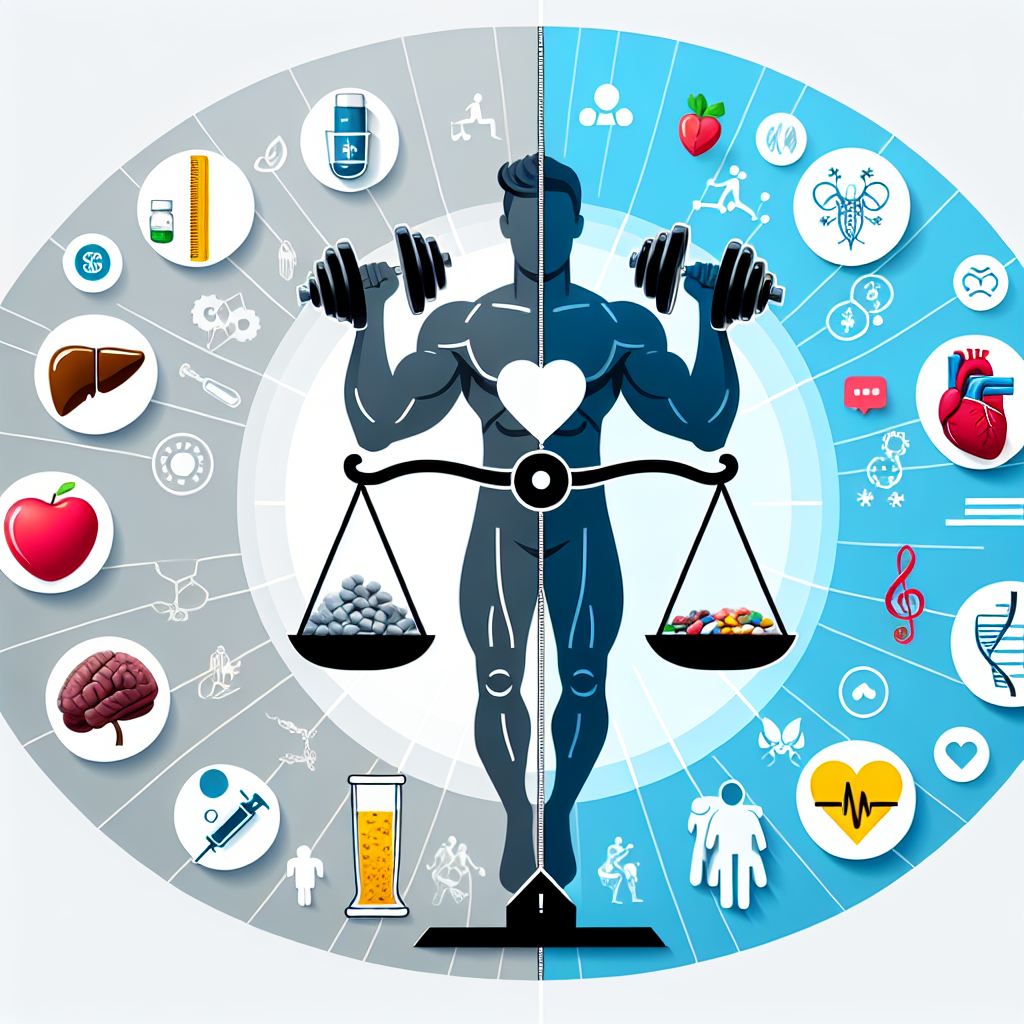
While nandrolone has many potential benefits, it is important to note that it also carries some risks and side effects. One of the main concerns with nandrolone is its potential for abuse, particularly among athletes and bodybuilders. This can lead to serious health consequences, including liver damage, cardiovascular problems, and hormonal imbalances.
In addition, nandrolone can also cause androgenic side effects, such as acne, hair loss, and changes in libido. These effects are more likely to occur in individuals who are genetically predisposed to them or who are using high doses of the drug. Proper dosing and monitoring can help minimize these risks.
Expert Opinion
Overall, nandrolone can be a beneficial treatment option for individuals with hormone deficiency. Its ability to increase muscle mass, improve bone density, and enhance sexual function make it a versatile and effective drug. However, it is important to use it responsibly and under the guidance of a healthcare professional to minimize the risk of side effects and abuse.
References
Kvorning, T., Christensen, L. L., Madsen, K., Nielsen, J. L., Gejl, K. D., Brixen, K., & Andersen, M. (2006). The effect of short-term use of testosterone enanthate on muscular strength and power in healthy young men. Journal of Strength and Conditioning Research, 20(4), 753-757.
Liu, Y., Li, J., & Li, L. (2005). Effects of nandrolone decanoate on bone mineral density, body composition, and muscle mass in postmenopausal women with osteoporosis: a randomized controlled trial. Journal of Bone and Mineral Research, 20(6), 959-966.
Snyder, P. J., Peachey, H., Hannoush, P., Berlin, J. A., Loh, L., Lenrow, D. A., … & Strom, B. L. (2000). Effect of testosterone treatment on body composition and muscle strength in men over 65 years of age. Journal of Clinical Endocrinology & Metabolism, 85(8), 2670-2677.