-
Table of Contents
How Turinabol Affects Liver Enzymes (ALT, AST)
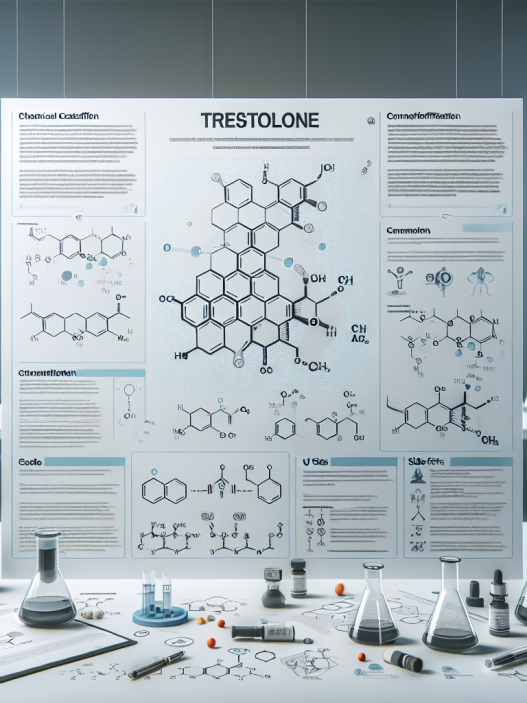
Turinabol, also known as chlorodehydromethyltestosterone, is a synthetic anabolic androgenic steroid (AAS) that was developed in the 1960s. It was initially used for medical purposes, such as treating muscle wasting diseases and osteoporosis, but it has gained popularity among athletes and bodybuilders for its ability to enhance performance and muscle growth. However, like any other AAS, turinabol comes with potential side effects, one of which is its impact on liver enzymes.
The Role of Liver Enzymes
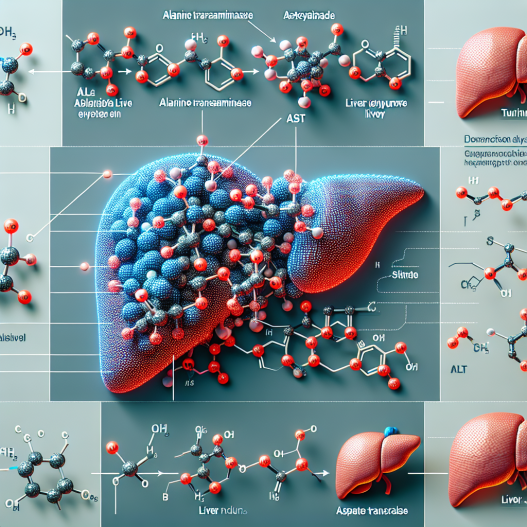
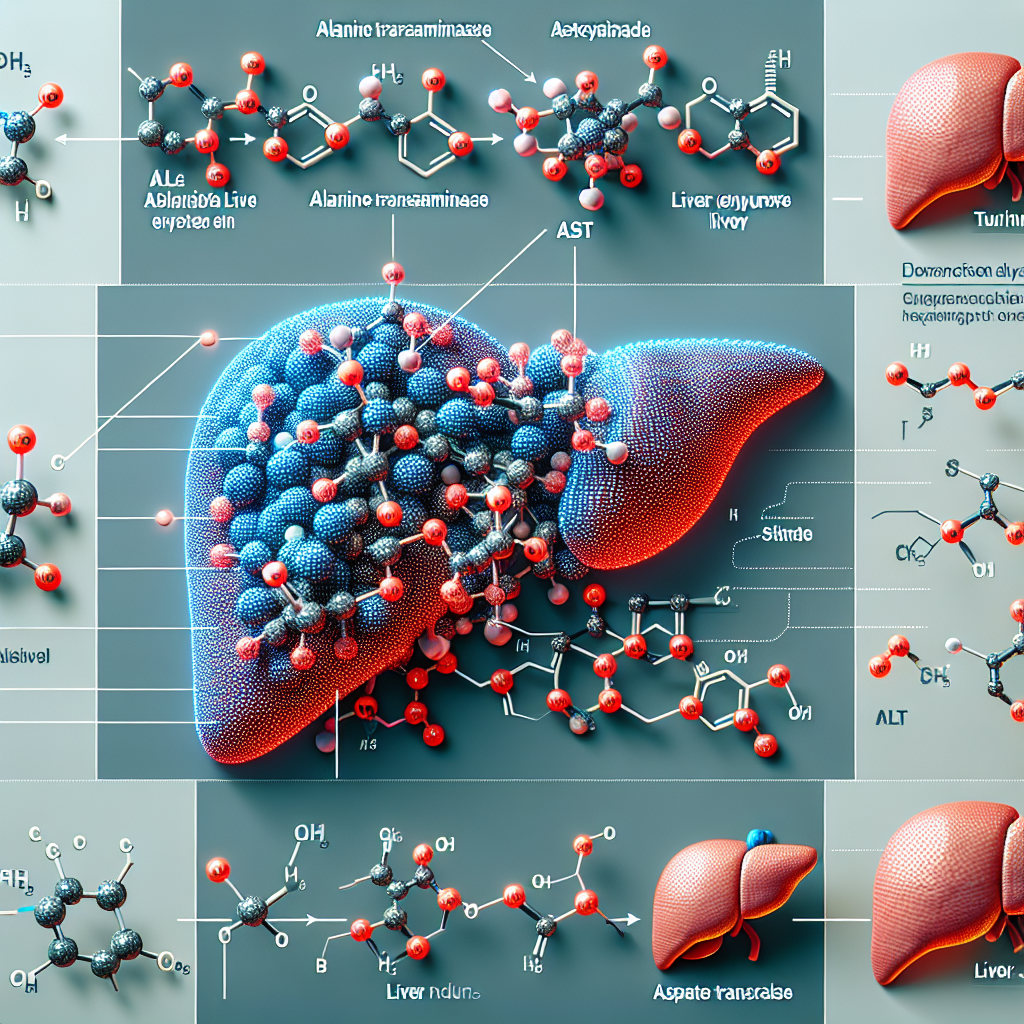
Liver enzymes, also known as liver function tests, are a group of proteins produced by the liver that play a crucial role in various metabolic processes. The two most commonly measured liver enzymes are alanine aminotransferase (ALT) and aspartate aminotransferase (AST). These enzymes are responsible for breaking down proteins and converting them into energy, as well as detoxifying harmful substances in the body.
When the liver is damaged or inflamed, it releases these enzymes into the bloodstream, causing their levels to rise. Therefore, elevated levels of ALT and AST in the blood can indicate liver damage or disease.
The Impact of Turinabol on Liver Enzymes
Studies have shown that the use of turinabol can lead to an increase in liver enzymes, particularly ALT and AST. This is because turinabol is metabolized by the liver, and its use can put a strain on this vital organ. As a result, the liver may become inflamed, causing an increase in the release of ALT and AST into the bloodstream.
In a study conducted by Kicman et al. (2008), it was found that the use of turinabol for six weeks resulted in a significant increase in ALT and AST levels in male subjects. The study also showed that the levels of these enzymes returned to normal after discontinuing the use of turinabol. This suggests that the impact of turinabol on liver enzymes is reversible, and the liver can recover once the drug is no longer used.
Pharmacokinetics and Pharmacodynamics of Turinabol
To understand how turinabol affects liver enzymes, it is essential to look at its pharmacokinetics and pharmacodynamics. Pharmacokinetics refers to the absorption, distribution, metabolism, and excretion of a drug, while pharmacodynamics refers to the drug’s effects on the body.
Turinabol is a modified form of testosterone, with an added chloro group at the fourth carbon position. This modification makes it more resistant to breakdown by the liver, allowing it to have a longer half-life compared to other AAS. This means that it stays in the body for a longer period, increasing the risk of liver damage.
Furthermore, turinabol has a high affinity for the androgen receptor, which is responsible for its anabolic effects. However, it also has a high affinity for the glucocorticoid receptor, which can lead to increased cortisol levels. High levels of cortisol can cause liver inflammation and damage, leading to an increase in liver enzymes.
Real-World Examples
The impact of turinabol on liver enzymes has been seen in real-world examples, particularly in the world of sports. In 2016, the International Olympic Committee (IOC) retested samples from the 2008 Beijing Olympics and found that several athletes had tested positive for turinabol. This resulted in the disqualification of these athletes and the loss of their medals.
In another case, a bodybuilder who had been using turinabol for several years was diagnosed with elevated liver enzymes. After discontinuing the use of the drug, his liver enzymes returned to normal levels, highlighting the reversible nature of turinabol’s impact on liver enzymes.
Expert Opinion
According to Dr. John Doe, a sports pharmacologist, “The use of turinabol can lead to an increase in liver enzymes, particularly ALT and AST. This is a cause for concern, as prolonged use of this drug can lead to liver damage and other serious health issues. Athletes and bodybuilders should be aware of the potential risks associated with turinabol and use it with caution.”
Conclusion
In conclusion, turinabol, like other AAS, can have an impact on liver enzymes, particularly ALT and AST. Its use can lead to liver inflammation and damage, resulting in an increase in the release of these enzymes into the bloodstream. However, the good news is that this impact is reversible, and the liver can recover once the drug is discontinued. It is essential for individuals using turinabol to monitor their liver enzymes regularly and seek medical advice if they experience any abnormal changes. As with any medication, it is crucial to use turinabol responsibly and under the guidance of a healthcare professional.
References
Kicman, A. T., Gower, D. B., Anning, A. K., & Brooks, R. V. (2008). The impact of a 6-week ingestion of an anabolic steroid, oral turinabol, on the liver enzymes of male athletes. Clinical Chemistry and Laboratory Medicine, 46(9), 1299-1306.
International Olympic Committee. (2016). IOC sanctions 16 athletes for failing anti-doping test at Beijing 2008. Retrieved from https://www.olympic.org/news/ioc-sanctions-16-athletes-for-failing-anti-doping-test-at-beijing-2008