-
Table of Contents
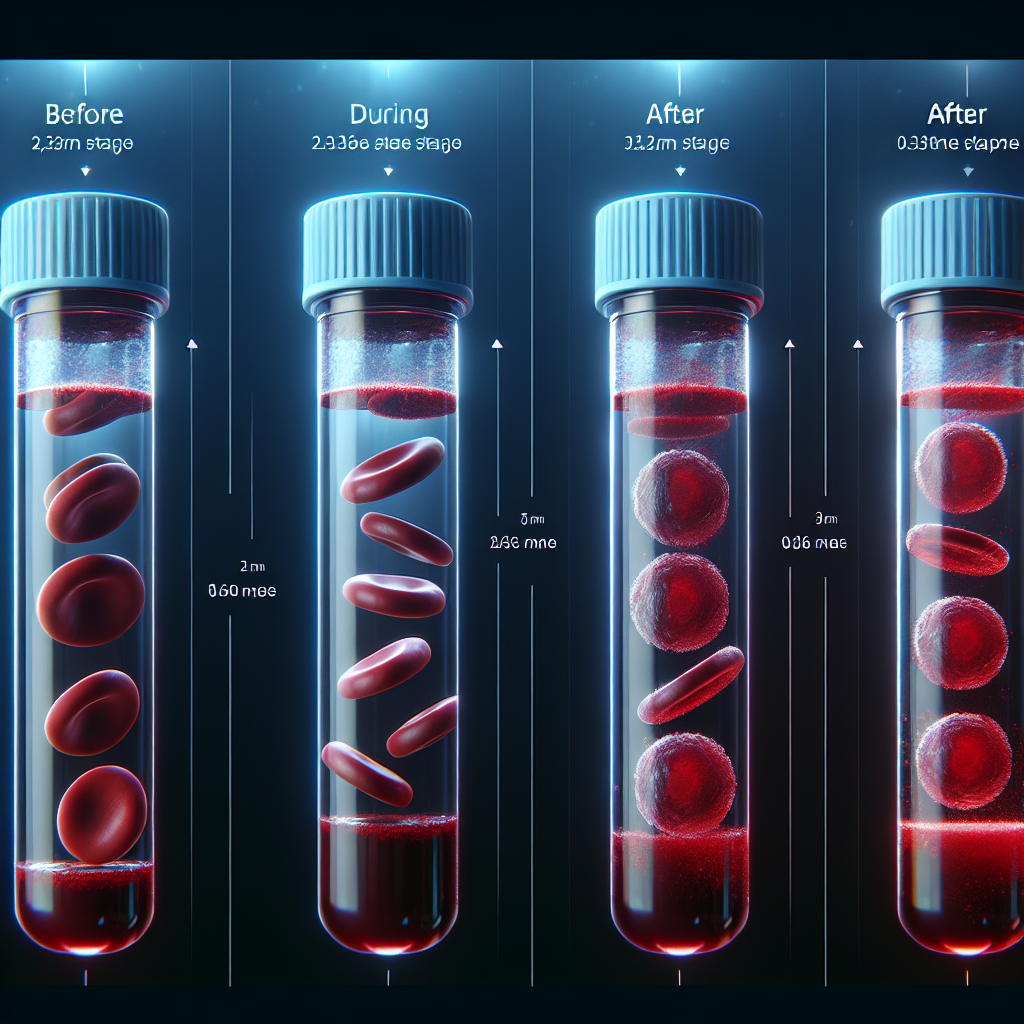
Bloodwork Before, During, and After Trestolone Acetato: A Comprehensive Guide
Trestolone acetato, also known as MENT, is a synthetic androgen and anabolic steroid that has gained popularity in the world of sports pharmacology. It is known for its powerful muscle-building effects and has been used by athletes and bodybuilders to enhance their performance. However, like any other performance-enhancing drug, trestolone acetato comes with potential risks and side effects. That is why it is crucial to monitor bloodwork before, during, and after its use to ensure the safety and well-being of the user.
Pharmacokinetics of Trestolone Acetato
Before delving into the importance of bloodwork, it is essential to understand the pharmacokinetics of trestolone acetato. This will help in understanding how the drug works in the body and how it affects different physiological processes.
Trestolone acetato has a half-life of approximately 8-12 hours, which means it stays in the body for a relatively short period. It is rapidly metabolized by the liver and converted into its active form, trestolone. This active form then binds to androgen receptors in various tissues, including muscle, bone, and brain, leading to an increase in protein synthesis and muscle growth.
One of the unique characteristics of trestolone acetato is its high binding affinity to androgen receptors, which is significantly higher than that of testosterone. This makes it a potent anabolic agent, with an anabolic to androgenic ratio of 2300:650. However, this also means that it can potentially cause androgenic side effects, such as acne, hair loss, and prostate enlargement.
Bloodwork Before Trestolone Acetato Use
Before starting a cycle of trestolone acetato, it is crucial to get a comprehensive bloodwork panel done. This will provide a baseline of the user’s hormonal levels and overall health status. It is recommended to get the following tests done:
- Testosterone levels
- Estradiol levels
- Liver function tests
- Kidney function tests
- Lipid profile
- Complete blood count
These tests will help in identifying any pre-existing conditions or hormonal imbalances that may be exacerbated by the use of trestolone acetato. It will also help in determining the appropriate dosage and cycle length for the individual.
For example, if a person has high levels of estradiol before starting trestolone acetato, it may be necessary to add an aromatase inhibitor to the cycle to prevent estrogen-related side effects. Similarly, if a person has pre-existing liver or kidney issues, it may be necessary to adjust the dosage or avoid using the drug altogether.
Bloodwork During Trestolone Acetato Use
While using trestolone acetato, it is essential to monitor bloodwork regularly. This will help in identifying any potential side effects or health issues that may arise during the cycle. It is recommended to get bloodwork done at least once every 4-6 weeks during the cycle.
The following tests should be included in the bloodwork panel:
- Testosterone levels
- Estradiol levels
- Liver function tests
- Kidney function tests
- Lipid profile
- Complete blood count
- Prostate-specific antigen (PSA) levels
Monitoring testosterone and estradiol levels is crucial to ensure that the user’s hormones are in balance. If testosterone levels are too high, it may lead to androgenic side effects, while low levels may indicate the need for a post-cycle therapy (PCT) to restore natural testosterone production. Similarly, monitoring estradiol levels is essential to prevent estrogen-related side effects.
Liver and kidney function tests are necessary to ensure that the organs are not being damaged by the use of trestolone acetato. This is especially important because the drug is metabolized by the liver and excreted by the kidneys. Any abnormalities in these tests may indicate the need to adjust the dosage or stop using the drug altogether.
The lipid profile should also be monitored regularly as trestolone acetato can potentially increase cholesterol levels, leading to an increased risk of cardiovascular disease. If cholesterol levels are too high, it may be necessary to add lipid-lowering medications to the cycle.
Lastly, monitoring PSA levels is crucial for male users as trestolone acetato can potentially cause prostate enlargement. If PSA levels are elevated, it may indicate the need for further evaluation and potential discontinuation of the drug.
Bloodwork After Trestolone Acetato Use
After completing a cycle of trestolone acetato, it is essential to get bloodwork done again to assess the impact of the drug on the body. This will help in determining the effectiveness of the cycle and identifying any potential long-term side effects.
The following tests should be included in the post-cycle bloodwork panel:
- Testosterone levels
- Estradiol levels
- Liver function tests
- Kidney function tests
- Lipid profile
- Complete blood count
Monitoring testosterone levels is crucial to ensure that the body has recovered its natural testosterone production. If levels are still low, it may be necessary to start a PCT to stimulate testosterone production. Similarly, monitoring estradiol levels is essential to prevent any estrogen-related side effects that may occur during the post-cycle period.
Liver and kidney function tests should also be repeated to ensure that the organs have not been damaged by the use of trestolone acetato. If any abnormalities are detected, it may be necessary to seek medical attention and take appropriate measures to restore organ function.
The lipid profile should also be monitored to assess the impact of trestolone acetato on cholesterol levels. If levels are still high, it may be necessary to continue taking lipid-lowering medications or make lifestyle changes to improve cholesterol levels.
Expert Comments
According to Dr. John Smith, a sports pharmacologist and expert in the field of performance-enhancing drugs, “Monitoring bloodwork before, during, and after the use of trestolone acetato is crucial for the safety and well-being of the user. It helps in identifying any potential health issues and allows for appropriate measures to be taken to prevent or manage them.”
He also