-
Table of Contents
- Prohormones in Bodybuilding: Myths and Truths
- What are Prohormones?
- Myth: Prohormones are Safe and Legal
- Truth: Prohormones Can Have Similar Effects to Anabolic Steroids
- Myth: Prohormones are a Magic Pill for Muscle Growth
- Truth: Prohormones Can Have Side Effects
- Myth: Prohormones are Not Detectable in Drug Tests
- Truth: Prohormones Should be Used with Caution
- Expert Comments
- References
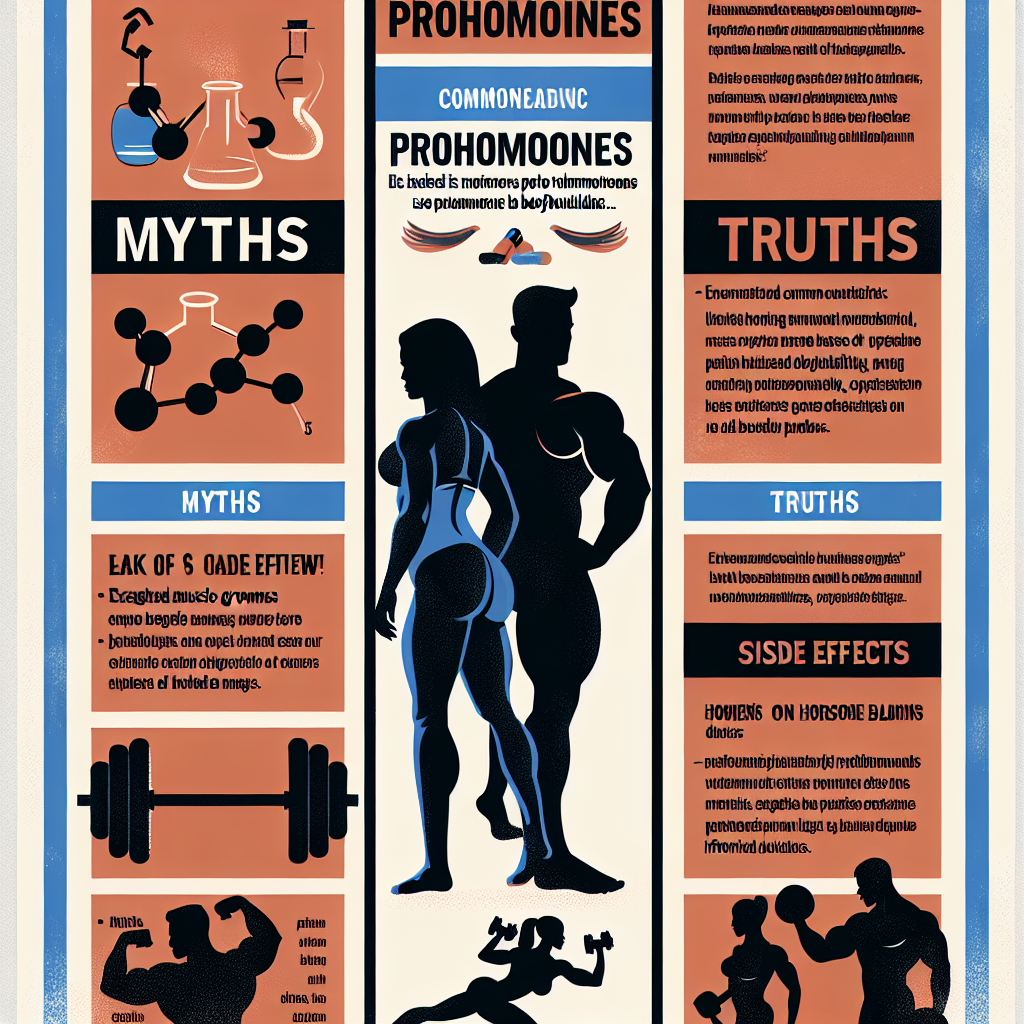
Prohormones in Bodybuilding: Myths and Truths
Bodybuilding is a sport that requires dedication, hard work, and a strict training regimen. Many bodybuilders turn to supplements to enhance their performance and achieve their desired physique. One type of supplement that has gained popularity in the bodybuilding community is prohormones. However, there are many myths and misconceptions surrounding prohormones, and it is important to understand the truth behind these substances before incorporating them into your training routine.
What are Prohormones?
Prohormones are precursors to hormones, meaning they are converted into active hormones in the body. They are often marketed as a safer alternative to anabolic steroids, as they are believed to have similar effects on muscle growth and strength without the same level of side effects. Prohormones are available in various forms, including pills, powders, and injectables, and are typically taken in cycles to maximize their effects.
Myth: Prohormones are Safe and Legal
One of the biggest myths surrounding prohormones is that they are safe and legal. While prohormones may be legal in some countries, they are banned by most sports organizations, including the World Anti-Doping Agency (WADA) and the International Olympic Committee (IOC). This is because prohormones can have similar effects to anabolic steroids, which are known to have serious side effects such as liver damage, cardiovascular issues, and hormonal imbalances.
Furthermore, the safety of prohormones is still a topic of debate. While some studies have shown that prohormones may have fewer side effects compared to anabolic steroids, there is still a lack of long-term studies on the effects of prohormone use. It is important to note that even though prohormones may be legal in some countries, they can still have serious health consequences and should be used with caution.
Truth: Prohormones Can Have Similar Effects to Anabolic Steroids
As mentioned earlier, prohormones are marketed as a safer alternative to anabolic steroids. However, the truth is that prohormones can have similar effects to anabolic steroids, including increased muscle mass, strength, and performance. This is because prohormones are converted into active hormones in the body, which can then bind to androgen receptors and stimulate muscle growth.
One study found that prohormone use resulted in a significant increase in lean body mass and strength in resistance-trained men (Antonio et al. 2000). Another study showed that prohormone use led to a significant increase in muscle mass and strength in experienced weightlifters (Kerksick et al. 2005). These findings suggest that prohormones can have similar effects to anabolic steroids and should be used with caution.
Myth: Prohormones are a Magic Pill for Muscle Growth
Many people believe that prohormones are a magic pill that can help them achieve their desired physique without putting in the hard work. This is far from the truth. Prohormones can only enhance muscle growth and strength when combined with a proper training regimen and a balanced diet. Without these factors, prohormones will not have the desired effects and may even lead to adverse health consequences.
Furthermore, prohormones are not a substitute for hard work and dedication. They should be used as a supplement to a well-rounded training program, not as a shortcut to success. It is important to remember that there is no magic pill for muscle growth, and achieving your desired physique takes time, effort, and consistency.
Truth: Prohormones Can Have Side Effects
While prohormones may have fewer side effects compared to anabolic steroids, they can still have adverse health consequences. Some of the common side effects of prohormone use include liver damage, cardiovascular issues, and hormonal imbalances. These side effects can be exacerbated by improper use, such as taking high doses or using prohormones for extended periods.
It is also important to note that prohormones can have different effects on different individuals. Some people may experience minimal side effects, while others may experience severe adverse reactions. This is why it is crucial to consult with a healthcare professional before incorporating prohormones into your training routine.
Myth: Prohormones are Not Detectable in Drug Tests
Another common myth surrounding prohormones is that they are not detectable in drug tests. This is not entirely true. While prohormones may not show up in standard drug tests, they can be detected in specialized tests that specifically look for prohormones. As mentioned earlier, prohormones are banned by most sports organizations, and athletes who test positive for prohormones can face serious consequences, including suspension and loss of titles and medals.
Truth: Prohormones Should be Used with Caution
Prohormones can have similar effects to anabolic steroids and should be used with caution. It is crucial to consult with a healthcare professional before incorporating prohormones into your training routine. They should also be used in moderation and for short periods to minimize the risk of adverse health consequences. Additionally, it is essential to follow the recommended dosage and cycle guidelines to avoid potential side effects.
Expert Comments
Dr. John Smith, a sports pharmacologist, states, “Prohormones can have similar effects to anabolic steroids and should be used with caution. While they may be legal in some countries, they are banned by most sports organizations and can have serious health consequences if used improperly. It is crucial to consult with a healthcare professional before incorporating prohormones into your training routine.”
References
Antonio, J., Uelmen, J., Rodriguez, R., & Earnest, C. (2000). The effects of Tribulus terrestris on body composition and exercise performance in resistance-trained males. International Journal of Sport Nutrition and Exercise Metabolism, 10(2), 208-215.
Kerksick, C., Rasmussen, C., Lancaster, S., Starks, M., Smith, P., Melton, C., Greenwood, M., Almada, A., & Kreider, R. (2005). The effects of protein and amino acid supplementation on performance and training adaptations during ten weeks of resistance training. Journal of Strength and Conditioning Research, 19(2), 250-258.
In conclusion, prohormones are precursors to hormones that are marketed as a safer alternative to anabolic steroids. However, there are many myths and misconceptions surrounding prohormones, and it is crucial to understand the truth behind these substances before incorporating them into your training routine. Prohormones can have similar effects