-
Table of Contents
Insulin and Muscle Recovery: A Crucial Combination for Athletes
Athletes are constantly pushing their bodies to the limit, whether it’s through intense training sessions or competing in high-stakes events. As a result, their bodies undergo significant stress and strain, leading to muscle damage and fatigue. To perform at their best, athletes need to prioritize proper recovery and repair of their muscles. One crucial element in this process is insulin, a hormone that plays a vital role in muscle recovery. In this article, we will explore the relationship between insulin and muscle recovery and why it is a crucial combination for athletes.
The Role of Insulin in Muscle Recovery
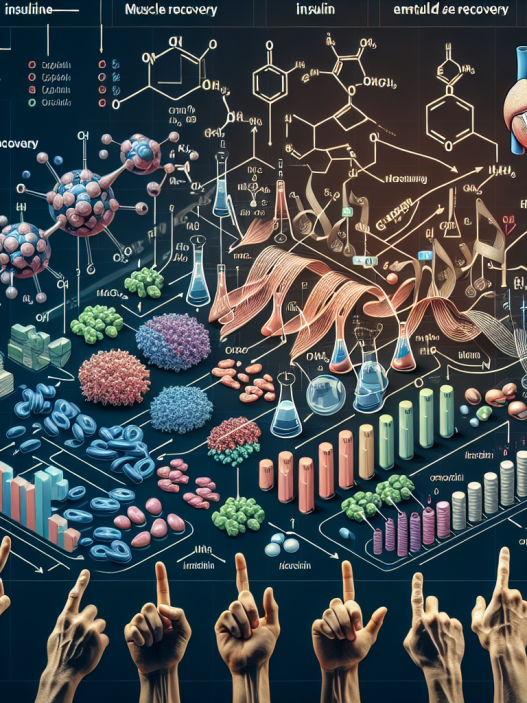
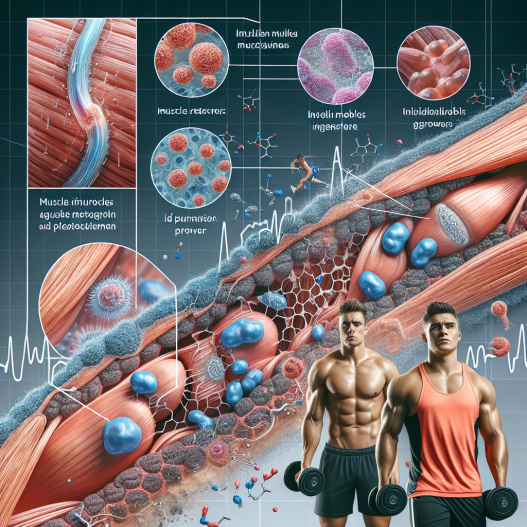
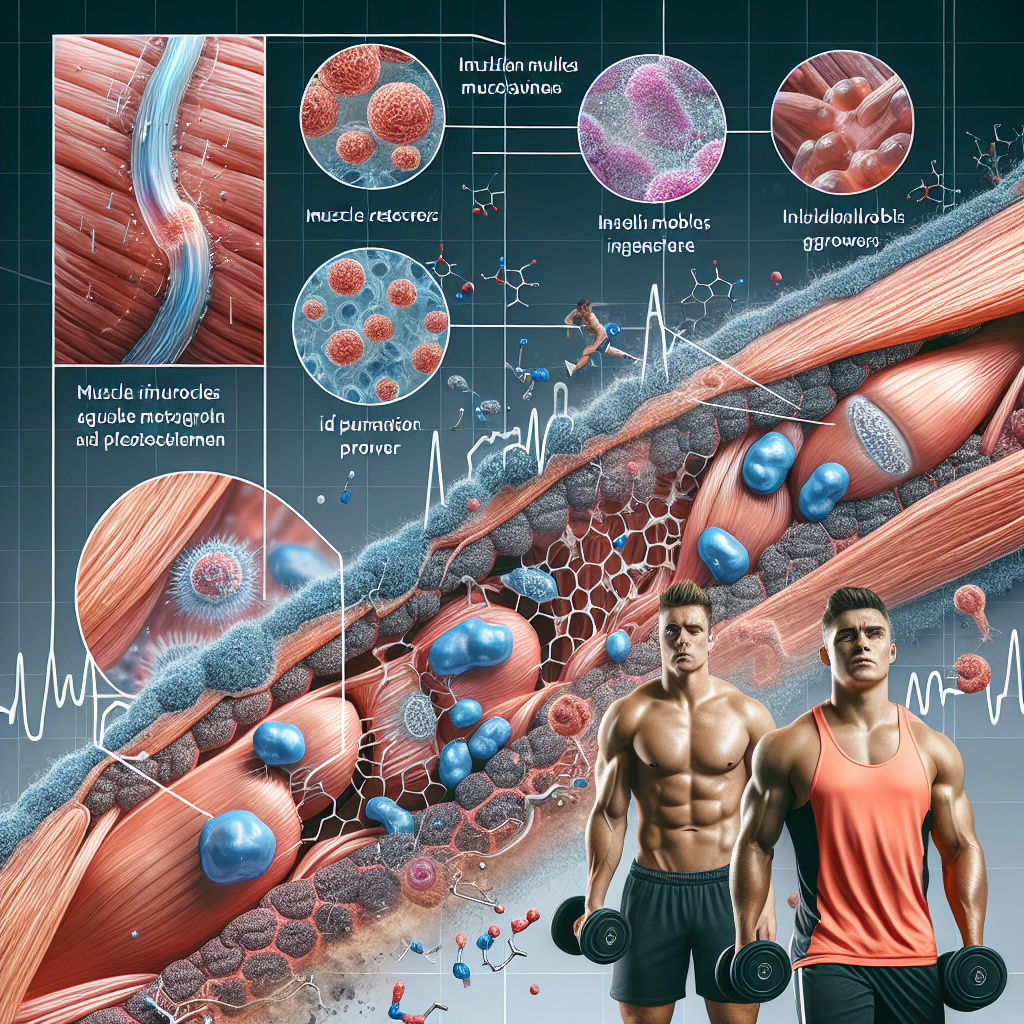
Insulin is a hormone produced by the pancreas that helps regulate blood sugar levels. It is also known as the “storage hormone” because it promotes the uptake and storage of glucose, amino acids, and fatty acids in cells. In the context of muscle recovery, insulin plays a crucial role in repairing and rebuilding damaged muscle tissue.
During exercise, muscles use glucose as their primary source of energy. As a result, the body’s insulin levels decrease, allowing glucose to be readily available for use by the muscles. However, after exercise, insulin levels increase, promoting the uptake of glucose and amino acids into muscle cells. This process is essential for repairing and rebuilding damaged muscle tissue, as glucose and amino acids are the building blocks of muscle protein.
Moreover, insulin also has anti-inflammatory properties, which can aid in reducing muscle soreness and inflammation after intense exercise. This is particularly beneficial for athletes who engage in high-intensity training or competitions, as it can help them recover faster and perform at their best.
The Importance of Timing and Dosage
While insulin is crucial for muscle recovery, it is essential to understand that timing and dosage are critical factors. Insulin sensitivity, or the body’s response to insulin, is highest immediately after exercise. This means that the body is more efficient at utilizing insulin to promote muscle recovery during this time. Therefore, it is recommended to consume carbohydrates and protein within 30 minutes after exercise to maximize the body’s insulin response and aid in muscle recovery.
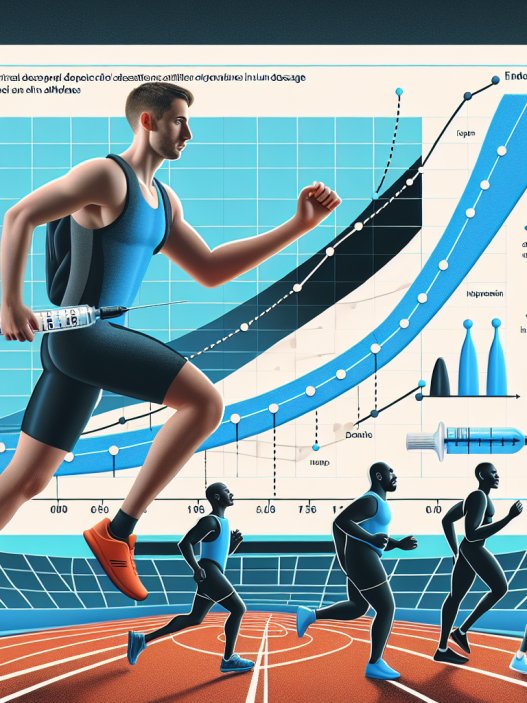
Additionally, the dosage of insulin also plays a crucial role in its effectiveness for muscle recovery. Too much insulin can lead to hypoglycemia (low blood sugar), which can be dangerous for athletes. On the other hand, too little insulin may not provide enough of a stimulus for muscle recovery. It is essential to work with a healthcare professional to determine the appropriate dosage of insulin for each individual athlete based on their specific needs and goals.
Real-World Examples
The importance of insulin in muscle recovery can be seen in the practices of professional athletes. For example, Olympic gold medalist and world record holder Usain Bolt has been known to consume a high-carbohydrate meal immediately after his races to replenish his glycogen stores and promote muscle recovery. Similarly, professional bodybuilders often consume a post-workout meal consisting of carbohydrates and protein to maximize their insulin response and aid in muscle recovery.
Moreover, a study published in the Journal of Applied Physiology (Koopman et al. 2005) found that consuming a carbohydrate and protein supplement immediately after resistance exercise significantly increased insulin levels and muscle protein synthesis in young men. This further supports the importance of timing and dosage in utilizing insulin for muscle recovery.
Expert Opinion
According to Dr. John Ivy, a leading researcher in sports nutrition and exercise physiology, “Insulin is a key player in muscle recovery and repair. It not only helps replenish glycogen stores but also promotes the uptake of amino acids into muscle cells, which is crucial for muscle protein synthesis.” He also emphasizes the importance of timing and dosage, stating that “Consuming carbohydrates and protein within 30 minutes after exercise can significantly enhance the body’s insulin response and aid in muscle recovery.”
Conclusion
In conclusion, insulin plays a crucial role in muscle recovery for athletes. Its ability to promote the uptake of glucose and amino acids into muscle cells, as well as its anti-inflammatory properties, make it an essential hormone for repairing and rebuilding damaged muscle tissue. However, timing and dosage are critical factors in utilizing insulin effectively for muscle recovery. By understanding the role of insulin and working with healthcare professionals, athletes can optimize their muscle recovery and perform at their best.
References
Koopman, R., Wagenmakers, A. J., Manders, R. J., Zorenc, A. H., Senden, J. M., Gorselink, M., Keizer, H. A., & van Loon, L. J. (2005). Combined ingestion of protein and free leucine with carbohydrate increases postexercise muscle protein synthesis in vivo in male subjects. The American journal of physiology, 288(4), E645-53.